






Adding a new section to one Elementor page is a small task. Adding it to 30 pages, adapting it to each page’s content, and checking every result is a different amount of work.
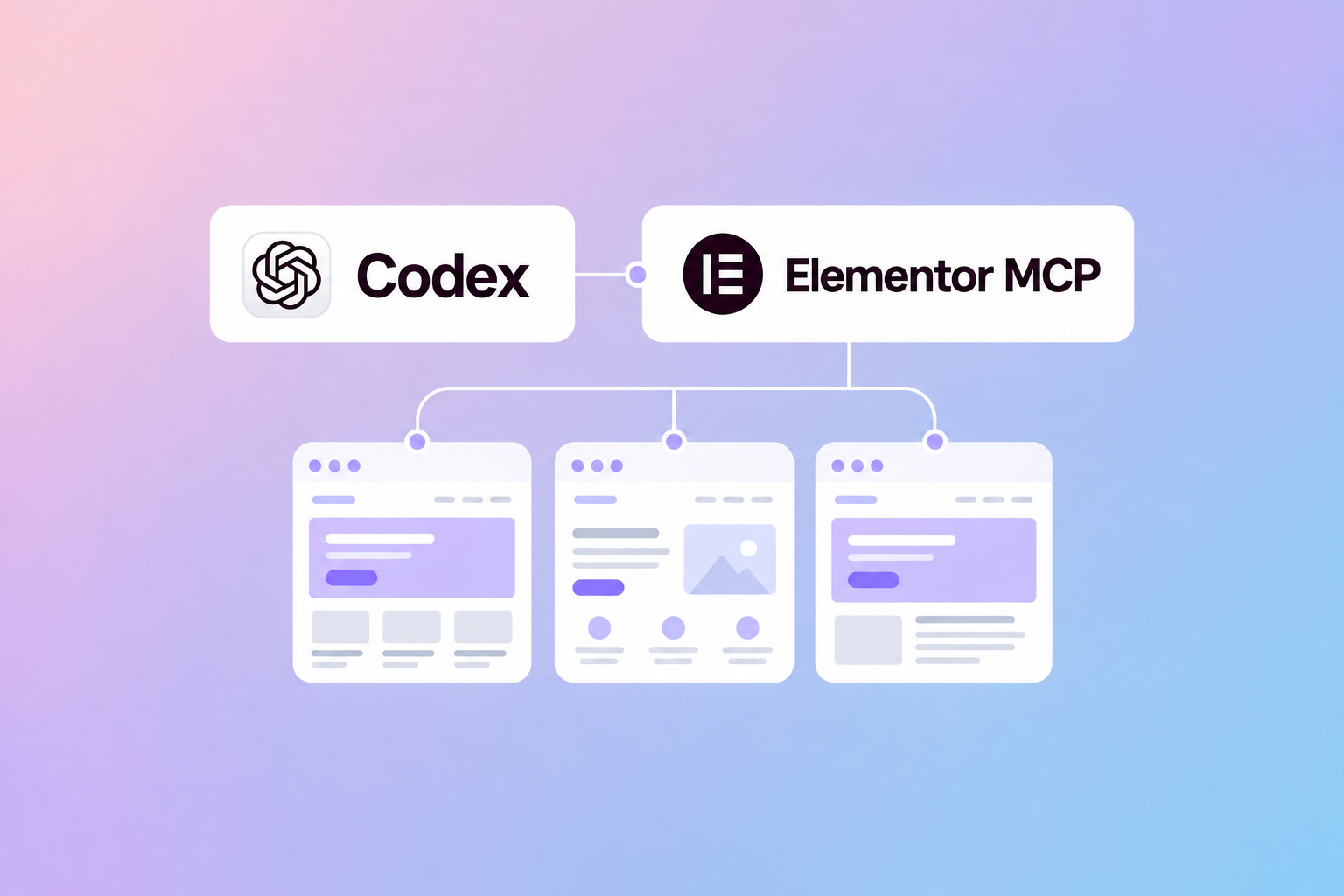
This is where Codex and Elementor MCP can help. You describe the change, define the pages it applies to, and give Codex a working example. It can then help carry out the repeated implementation, including the differences that would otherwise need manual attention.
In this guide, I’ll explain how to bulk update Elementor pages with Codex and MCP, from the first inspection to the frontend check. The workflow applies to contact sections, calls to action, embedded tools, maps, and other components used across multiple pages.
When Does This Workflow Make Sense?
Look for tasks with a repeated structure and a clear rule. For example, you might need to add a contact section to every service page, replace an embed across location pages, or update a call to action while keeping each page’s destination link.
The pages do not need to be identical. What matters is knowing which parts should stay consistent and which parts should change.
- Shared elements: the component’s layout, position, styling, and common behavior.
- Page-specific details: the relevant location, link, content, form, or configuration.
- Exceptions: pages with a different layout or missing information that need review.
Before planning a bulk edit, check whether a shared Elementor template or global setting already controls the component. If one change can update every instance, use that existing structure. Page-by-page automation is useful when the change really does need to be applied to individual documents.
1. Connect Codex and Inspect the Website
Elementor MCP connects Codex to the Elementor operations available on your website. Start by asking Codex to inspect those capabilities and the relevant pages.
For setup, follow Elementor’s MCP connection guide and the Codex MCP documentation. Keep the connection credentials private.
Ask it to identify the existing page structure, reusable templates, and components involved in the change. This gives the implementation a reliable starting point.
The available tools also determine what Codex can change directly. Existing widgets, WordPress content, and custom JavaScript may need different operations. If part of the task falls outside the connected Elementor tools, have Codex explain the additional access or implementation needed.
For a related workflow, see our guide to organizing WordPress posts and archives with Codex + Elementor MCP.
2. Define the Scope and the Expected Result
A useful brief explains which pages belong in the task, what should change, and how the finished result should behave. “Update all our pages” is too open-ended.
Give Codex the relevant section or page list and ask for an inventory before editing. This helps identify existing components, layout differences, and pages that should be excluded.
Inspect the pages in [target section or page list].
The required change is: [describe the component and expected result].
List the page titles, URLs, and relevant existing elements.
Check whether a shared template already controls this component.
Identify a working reference page and any layout differences.
Report which operations the connected tools support.
Do not change anything during this audit.
Replace the placeholders with your actual requirements. Specify the intended position in the layout and any content or settings that must be preserved. Keep a restorable copy of the original pages and use staging where available.
3. Build and Review One Working Example
Choose a representative page and implement the change there first. Review the layout, content, responsive behavior, and interactions before repeating it elsewhere.
If there are two significantly different page types, prepare an example for each. A component that works on a service page may need a different position or configuration on a location page.
Once the example is correct, it becomes a concrete reference. Codex can inspect how it is built and apply the same rule to the remaining pages.
Use [reference page] as the approved example.
Apply [specific change] in the equivalent position on the target pages.
Reuse the component’s styling and responsive behavior.
Preserve the surrounding content and page settings.
Inspect existing instances before adding a new one.
If the layout differs or the correct position is unclear, flag the page for review.
Start with a small batch and report the result.
💡 Tip: Make the task safe to repeat. A second run should inspect, update, or skip an existing component, rather than create a duplicate.
4. Separate Shared Rules from Page-Specific Details
Bulk editing becomes more useful when it can handle differences between pages. The layout might stay the same while the destination link, location, form, or embedded content changes.
Explain where those details come from. They might already exist in the page content, a custom field, or a list you provide. A page title can help identify the intended content, but ambiguous titles still need review.
Keep [layout, styling, and shared behavior] consistent.
Adapt [page-specific fields] using [the agreed source of information].
Check that each value belongs to the page being updated.
If information is missing or ambiguous, report it instead of guessing.
Do not copy the reference page’s specific content into every instance.
This distinction also makes future maintenance easier. Common styling can remain consistent while each page keeps the configuration it needs.
5. Apply the Changes in Batches
After reviewing the first examples, continue with a small group of pages. Read the saved results back and compare them with the intended changes before expanding the rollout.
Ask Codex to keep a simple report showing which pages were updated, which already had the component, and which need attention. Pages with unexpected structures should remain visible as exceptions.
The repeated work can then follow a consistent process: inspect the page, apply the agreed change, adapt the page-specific details, and verify the saved result.
6. Verify What Visitors Actually See
A successful save confirms that WordPress accepted the change. It does not prove that the component looks right or works on the frontend.
- Layout: the component appears in the intended position on desktop and mobile.
- Content: each page has the correct text, links, and configuration.
- Loading: embedded tools and interactive elements initialize correctly.
- Interaction: buttons, forms, tabs, and other affected controls still work.
- Repeat visits: reloading or switching tabs does not create duplicate elements.
- Exceptions: missing content and empty results have a sensible outcome.
Check the visitor-facing pages after clearing the relevant caches. Script loading and optimization can affect interactive elements even when the Elementor structure is correct. Our WP Rocket-compatible mobile menu guide covers a related loading issue.
A Practical Example: Google Maps Across a Real Estate Website
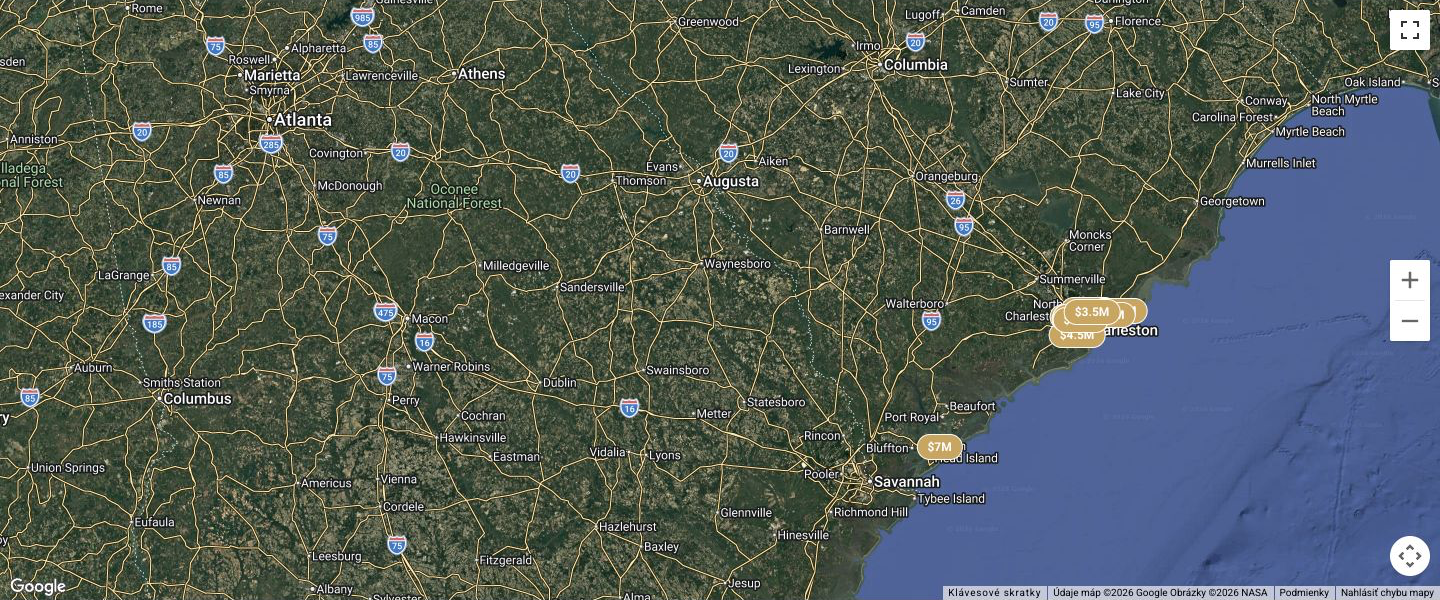
We used this workflow on Coastal Triangle, a real estate website with community and collection pages. It is a useful example because the repeated Elementor change was simple, while the map configuration varied by page.
The rollout covered 63 pages: 21 collection pages and 42 community pages. That meant applying the repeated widget change across dozens of pages, while keeping collection maps free of boundaries and giving each community map its own outline.
Each target page needed an HTML widget containing the map container:
<div id="google_map"></div>The site’s map script uses that ID to create the Google Map. The widget also needs responsive styling and a visible height; the HTML container alone does not load a map.
We had two clear requirements:
- Collection pages: replace the original map with Google Maps and display the relevant properties, without community boundaries.
- Community pages: display a Google Map with that community’s boundary and property markers.

Codex helped apply the widget consistently and prepare the configuration for each page. Community titles and page content provided context for identifying the relevant area, with ambiguous cases needing review.
The implementation combined the Elementor workflow with authenticated WordPress updates and scripts for custom map behavior and verification. It was not carried out through Elementor MCP alone.
The practical benefit was avoiding the same manual editing sequence on every page. We could define the shared change once, explain the differences between page types, and focus our review on whether each map displayed the correct result.
What Makes Bulk Elementor Updates Effective?
A clear brief and a working reference make the repeated work easier to execute and review. Codex can help carry the implementation across many pages, while you decide what the result should be and review the exceptions.
You can use the same process for a contact section, an embedded tool, or a new call to action. Define the scope, test one example, make the page-specific differences explicit, and check the frontend before calling the task complete.
For more on keeping AI-assisted work manageable for the team, read why WordPress and Elementor still matter in the AI era.