






Why us?

Behind every great website is a
great team
.

We have built 150+ websites for marketers and global brands.

Services
Technologies
About us

Why us?

Behind every great website is a
great team
.

We have built 150+ websites for marketers and global brands.

All technologies

Next.js, React & Astro development

A custom website. A practical way to run it.

From our portfolio: Bloomreach · WordPress + Elementor.

Build the website your business needs, with a publishing setup your team can use. We work with Next.js, React and Astro to create custom marketing websites around your content, integrations and next stage of growth.

Trusted by teams across the US and EU

Bloomreach
Vacuumlabs
Staffino

And more

Webgate agency in numbers

20+

Long-term client partnerships built on trust.

5.0

Rated by our clients on Clutch.

Since 2017

Experienced web specialists. Today, powered by AI-native workflows.

Millions

In client revenue supported by websites built to convert.

Sound familiar?

Custom should not mean difficult to manage.

Your website needs more than a standard setup

Custom journeys, connected data or interactive tools can stretch a visual website builder. We define which parts need custom development and build them around a clear marketing purpose.

Marketing waits on engineering for content

A custom frontend does not have to put every update in the development queue. We connect a CMS and create editing controls for the content and page patterns your team uses.

The site is becoming harder to change

One-off components and unclear ownership make future work expensive to plan. We organize the design system, content model and release process so the next change has a clear starting point.

How we help

Custom development with everyday publishing in mind.

01

Architecture and CMS planning

Choose Next.js or Astro around your content and interactions, with a CMS, hosting and publishing workflow that fit your team.

02

Responsive website components

Build shared layouts and page components, using React where interactive features need it and keeping the design consistent across screens.

03

CMS and preview workflows

Connect structured content and set up previews so editors can review changes before publishing.

04

Integrations and custom features

Build the agreed forms, API connections and interactive website features, with clear data flows and error handling.

05

Performance and search foundations

Plan what loads where, reduce unnecessary browser work and implement metadata, crawlable content and clean URLs.

06

Release workflow and ongoing care

Set up review environments, launch checks and documentation, then agree support for the codebase and website.

Selected Webgate work

Website work from across our portfolio.

Explore our wider website portfolio. Each project shows the technology we used and the work we delivered.

Socksfor1 website project by Webgate

#Custom development #API integration

Socksfor1 — A custom website connected to creator content.

Technology used

React, Gatsby, Contentful

What we did

Custom website design and development

Project highlights

Contentful connected for content editing.
YouTube API integration.
Custom design and lead-generation strategy.

Bloomreach website project by Webgate

#CMS migration #Enterprise website

Bloomreach — A large website, built for a more independent team.

Bloomreach ↗
3 languages

Technology used

WordPress, Elementor

What we did

Migration, reusable components and website improvements

Project highlights

1,200+ pages in a multilingual website.
Migration from a custom Java CMS.
40+ templates and 50+ reusable components.

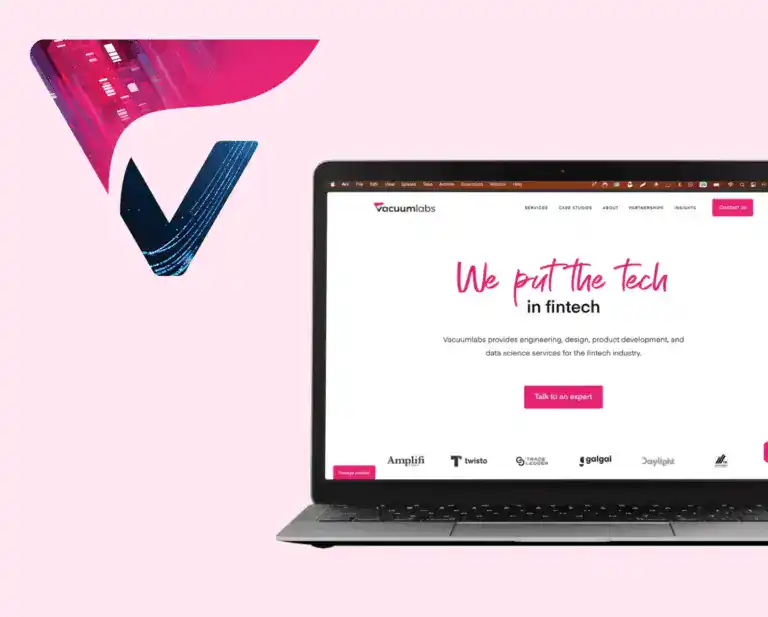
Vacuumlabs website shown on a laptop

#B2B website #Ongoing support

Vacuumlabs — Website delivery and support for a busy marketing team.

Technology used

WordPress, Elementor

What we did

Website improvements, integrations and support

Project highlights

140+ pages improved.
HubSpot, Workable and Pipedrive integrations.
Analytics setup and ongoing marketing support.

Powerful Medical website project by Webgate

#CMS migration #CRM integration

Powerful Medical — A more manageable website with connected lead capture.

Technology used

WordPress, Elementor, HubSpot

What we did

CMS migration, responsive design and integrations

Project highlights

Marketing website moved to WordPress.
Mobile-first design and performance improvements.
Custom HubSpot forms connected to the CRM.

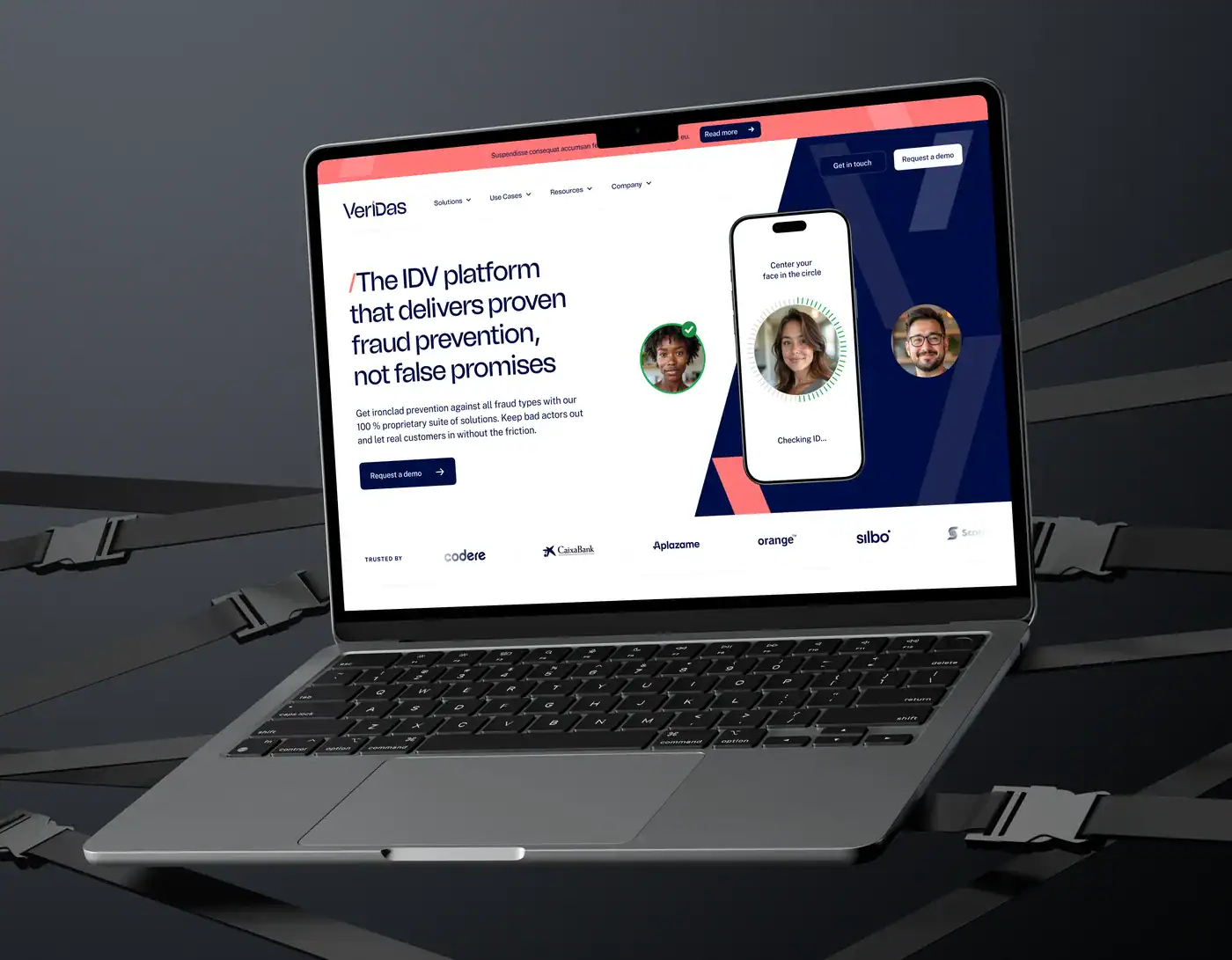
Veridas website project by Webgate

#SaaS #Multilingual website

Veridas — A complex multilingual website, made easier to manage.

Technology used

WordPress, Elementor

What we did

Redesign, performance and ongoing care

Project highlights

300+ pages across four languages.
Plugin count reduced from 58 to 39.
Ongoing performance work and website support.

CloudTalk AI marketing website on three mobile screens

#Website development #SaaS

CloudTalk AI — A website for a global voice platform.

Technology used

WordPress, Elementor

What we did

Website development

Project highlights

Product pages for AI-powered calling.
Demo and free-trial conversion paths.
Responsive desktop and mobile layouts.

Tell us what your website needs next.

Talk about your website ↗

What this means for your team

Flexibility for the website. Clarity for the team.

Build around your requirements

Create the interactions and connections the website needs without forcing them into an unsuitable template.

Keep content work with marketing

Use CMS fields and approved page patterns for the updates editors need to make regularly.

Reuse a shared design system

Develop consistent components that give new pages and features a reliable foundation.

Review changes before release

Use previews and separate review environments to check content and development changes in context.

Keep ownership clear

Document the repository, CMS, hosting and deployment setup so responsibilities are understood.

Use AI with review built in

Use AI where it helps production, while developers remain responsible for the code, testing and release.

Inside our custom website process

From the right architecture to a working publishing flow.

Requirements and fit

01

Start with the problem the website needs to solve.

We map your content, visitor journeys and custom requirements. We also look at who will edit and maintain the website, so the technical direction fits the people using it.

Key steps

  • Business goals and key journeys

  • Content and interaction requirements

  • Integrations and data sources

  • Editing and maintenance ownership

Deliverables

Project brief Requirements map Agreed scope

Architecture and design

02

Choose the simplest setup that fits.

We compare Next.js and Astro around the project’s needs, with React components where useful. The CMS, content model, hosting and design system are planned as parts of one website.

Key steps

  • Framework and rendering choices

  • CMS and content modeling

  • Reusable design components

  • Hosting, previews and release workflow

Deliverables

Architecture plan Content model Design system

Frontend and CMS build

03

Build the visitor and editor experiences together.

We develop the responsive website and connect the agreed content fields and page patterns. Reviews include real content, so editing controls and page layouts are tested in context.

Key steps

  • Responsive layout development

  • Reusable website components

  • CMS content integration

  • Draft previews and staging reviews

Deliverables

Staging website Connected CMS Preview workflow

Features and connections

04

Make custom work serve a clear purpose.

We implement the forms, integrations and interactive features in scope. Data flows, failure states and access are checked so each feature has a reliable role in the wider website.

Key steps

  • Forms and API integrations

  • Interactive website features

  • Error states and field mapping

  • Agreed analytics and events

Deliverables

Working features Tested data flows Tracking setup

Testing and release

05

Review what visitors and editors will actually use.

We test the website, publishing flow and deployment process before release. Performance and search checks reflect the finished implementation, including media, content and third-party tools.

Key steps

  • Responsive and accessibility checks

  • Content and integration testing

  • Performance and technical SEO

  • Deployment and rollback preparation

Deliverables

QA record Release checklist Deployment plan

Handover and care

06

Keep ownership clear after launch.

We hand over the editing workflow and technical setup, then check the live journeys. Ongoing maintenance and improvements can stay with Webgate or move to your team through an agreed handover.

Key steps

  • Editor training and documentation

  • Repository, CMS and hosting access

  • Post-launch checks

  • Maintenance and improvement planning

Deliverables

Editor guide Technical handover Care roadmap

Build the right foundation for what comes next.

Tell us what your website needs to do and how your team wants to manage it.

Plan your custom website ↗

Testimonials

What it’s like to work with Webgate.

Testimonials

Every company should have the
right website partner
.

FAQ

Your questions answered

How do Next.js, React and Astro fit together?

React is a library for interfaces. Next.js is a React framework for websites and applications. Astro is a framework suited to content-led websites and can use React for interactive components. We choose the combination around your requirements; a project does not need all three.

Will marketers be able to edit a custom website?

These frameworks do not provide a marketing CMS by themselves. We connect a CMS such as Sanity and build the content fields, page patterns and previews your team needs. Editors manage those agreed areas; new functionality or structural changes still need development.

When would you recommend a custom build?

We consider it when your content, integrations or interactions justify custom development and you have a plan for ongoing ownership. Astro can suit content-led sites with selective interactivity; Next.js can suit broader React-based functionality. We also compare visual platforms when they meet the need.

Can you work with our current CMS?

We review its API, content structure, permissions and preview options. If it fits the project, we can plan around it. If a move is needed, the scope includes content mapping and the publishing workflow as well as the new frontend.

Are custom websites automatically fast and good for SEO?

No framework guarantees those outcomes. Rendering choices, media, code, content and third-party tools all matter. We build and test the relevant performance and search foundations, then use the finished website to judge what needs further work.

Does AI-assisted development mean the website includes AI features?

No. AI can support how we plan, build and review the website. A chatbot, content workflow or other AI feature is a separate requirement with its own data, behavior and testing needs. We define those features explicitly when they are part of the project.

What relevant custom website work can you show?

Our published Socksfor1 project uses React, Gatsby and Contentful, with a YouTube API integration. It demonstrates custom frontend and CMS work. We keep that stack visible and do not relabel it as a Next.js, Astro or Sanity project.

Who maintains the website after launch?

The codebase, CMS, hosting and integrations all need clear ownership. We can provide ongoing support or hand over to your team with documentation. The proposal defines maintenance, development capacity and third-party costs.